Athens: Between Then and Now
"Eureka", I exclaimed, just like Archimedes.
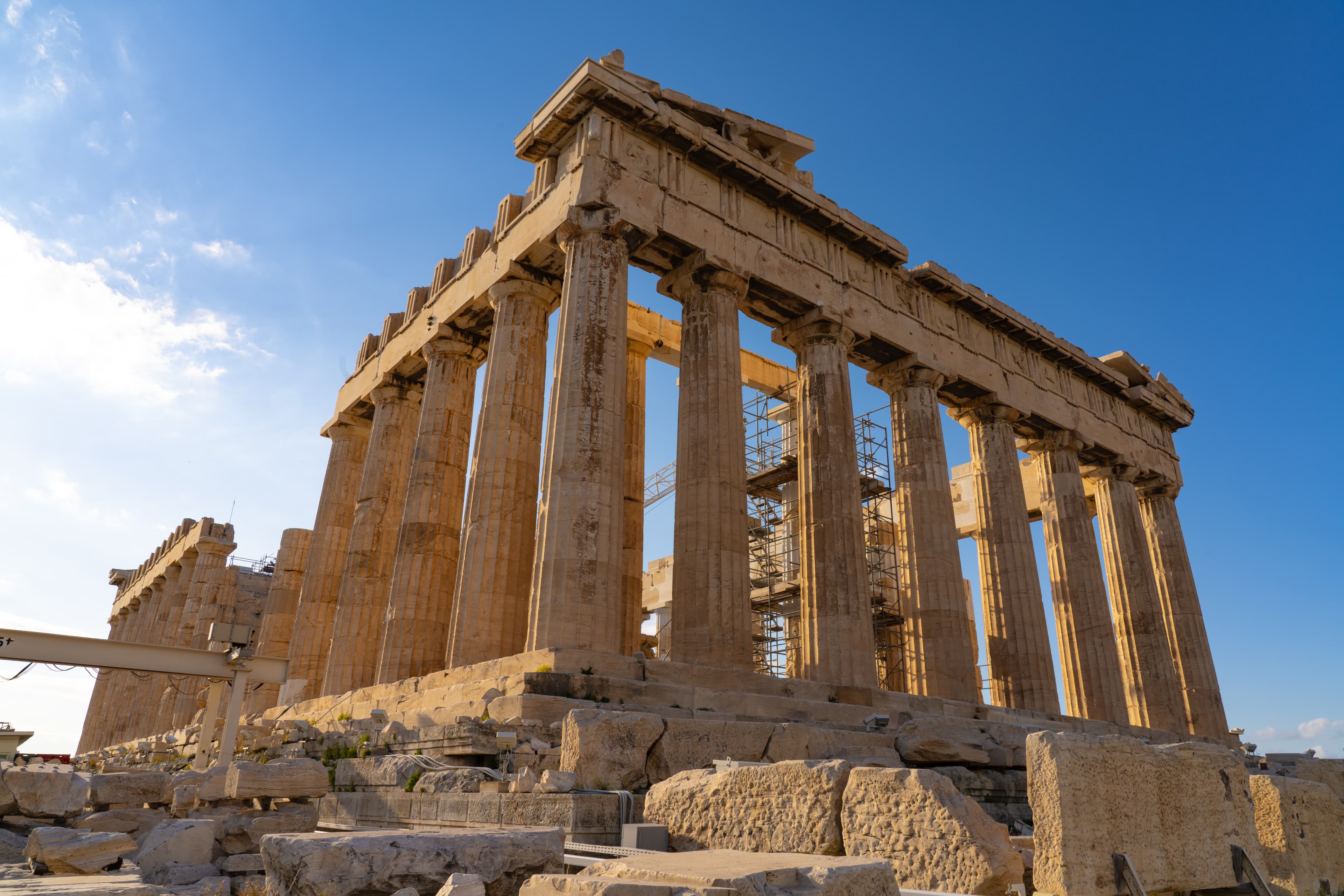
The realisation that I was in one of the world’s most prominent ancient cities hit hard. About as hard as 700 Spartan warriors charging across the pass of Thermopylae straight at me (true story). My mind was filled with endless gleeful (and arguably, quite probable) fantasies. Was this Starbucks the same one Aristotle would have enjoyed his morning caramel latte? Was this the Sephora where Socrates would purchase his fragrances?
To me, being in Athens was to catch a glimpse of the past – the different ruins where historical moments took place, food stalls that have endured for ages, and souvenir shops where ancient Roman invaders would have stopped at for some memorabilia.
Eager and ready to bump into a big name at any moment, I made sure to groom myself before heading out to explore the city.
Athens Central Market
So, I may have been a little too preoccupied with the environment and ambience of the place, and forgot to take pictures as a result. Athens Central Market spans quite a vast area, with distinct sections dedicated to meat, seafood, produce, dried and preserved food, and a whole array of other shops.
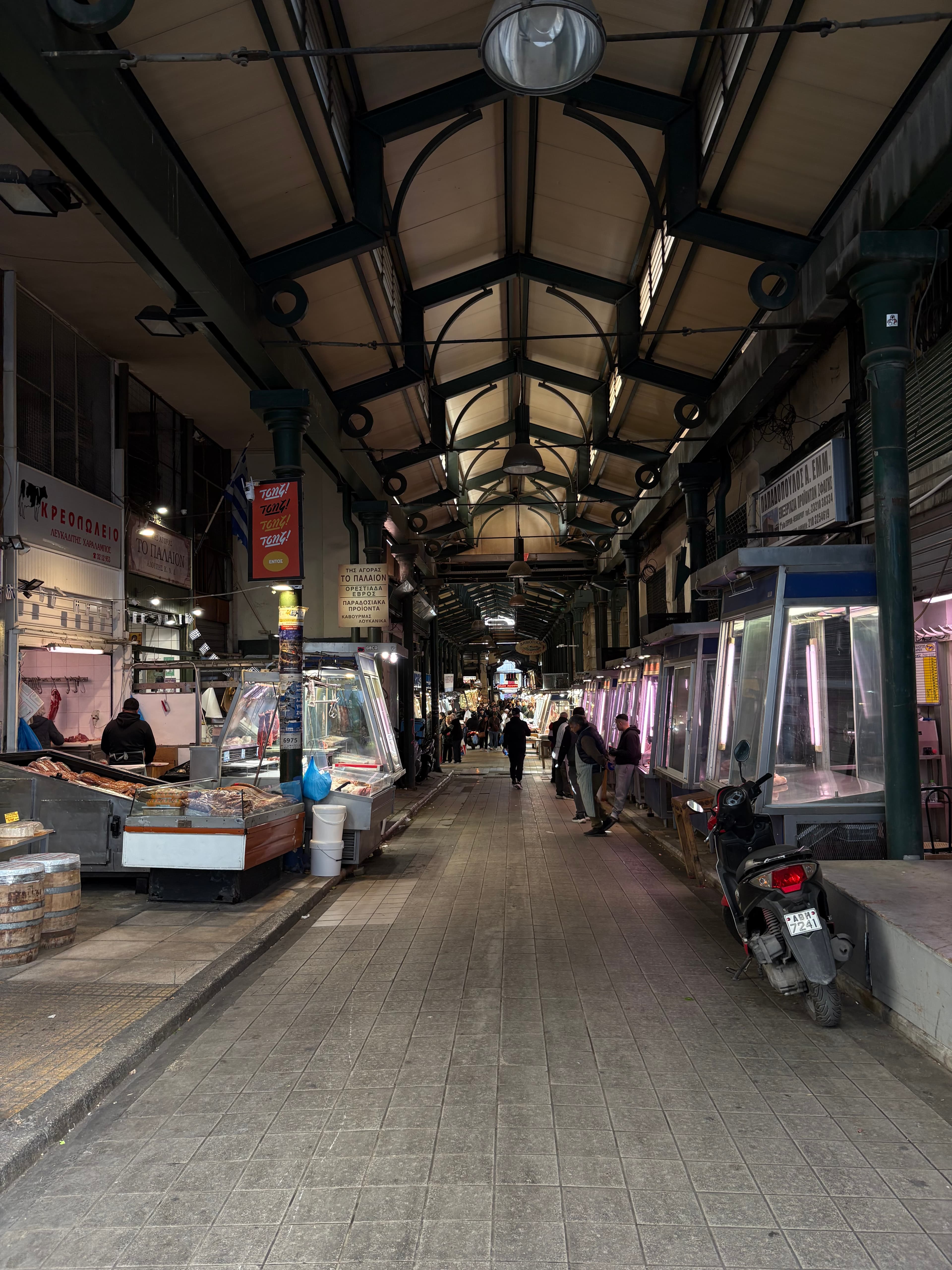
As I walked down the meat section of the market, I was greeted by the sight of rows and columns and diagonals of meat, neatly lined up behind glass windows that would slide open when a particular cut caught someone’s fancy. There were the cuts that you would expect to find in a normal market – the usual fanfare like chicken, pork, beef – and then there were full-on sheep heads. Just vibing, severed from their bodies.
The market was much cleaner and more sterile-looking than anticipated. Hailing from Southeast Asia, I was brought up to expect such markets to be filled with touting vendors, wet floors, closely-packed stalls, and the thick waft of raw meat and fish. My local friends tell me that this sterile version of the Athens Central Market was a product of clean-up in preparation for the 2004 Olympic Games – hygiene standards had to be elevated to meet EU standards.
Anyways. My mouth was stuffed too full with samples of olives and bread dabbed with specialty olive oil to complain much (or at all, for that matter). The charm of the market was not diminished by the clean-up – customers still strolled down long alleyways, vendors still loudly showcased their fresh products, and bartering still took place through both cash and card. If anything, it was infinitely less daunting for non-locals to wander into the area when compared with the absolute chaos one might expect back in my part of the world.
Athens’ National Garden
In the heart of the city, flanked on all sides by ruins, stands the National Garden of Athens. For some context, I had just arrived from Stockholm during the tail end of winter, and I had not seen any greenery for a little over two months. Before I even entered the Garden, the fragrance of chlorophyll hit me like the perfume of a mythological temptress. The air was positively buzzing with life (read: bees and other bugs) and pollen, and hummed with the chirping of birds.
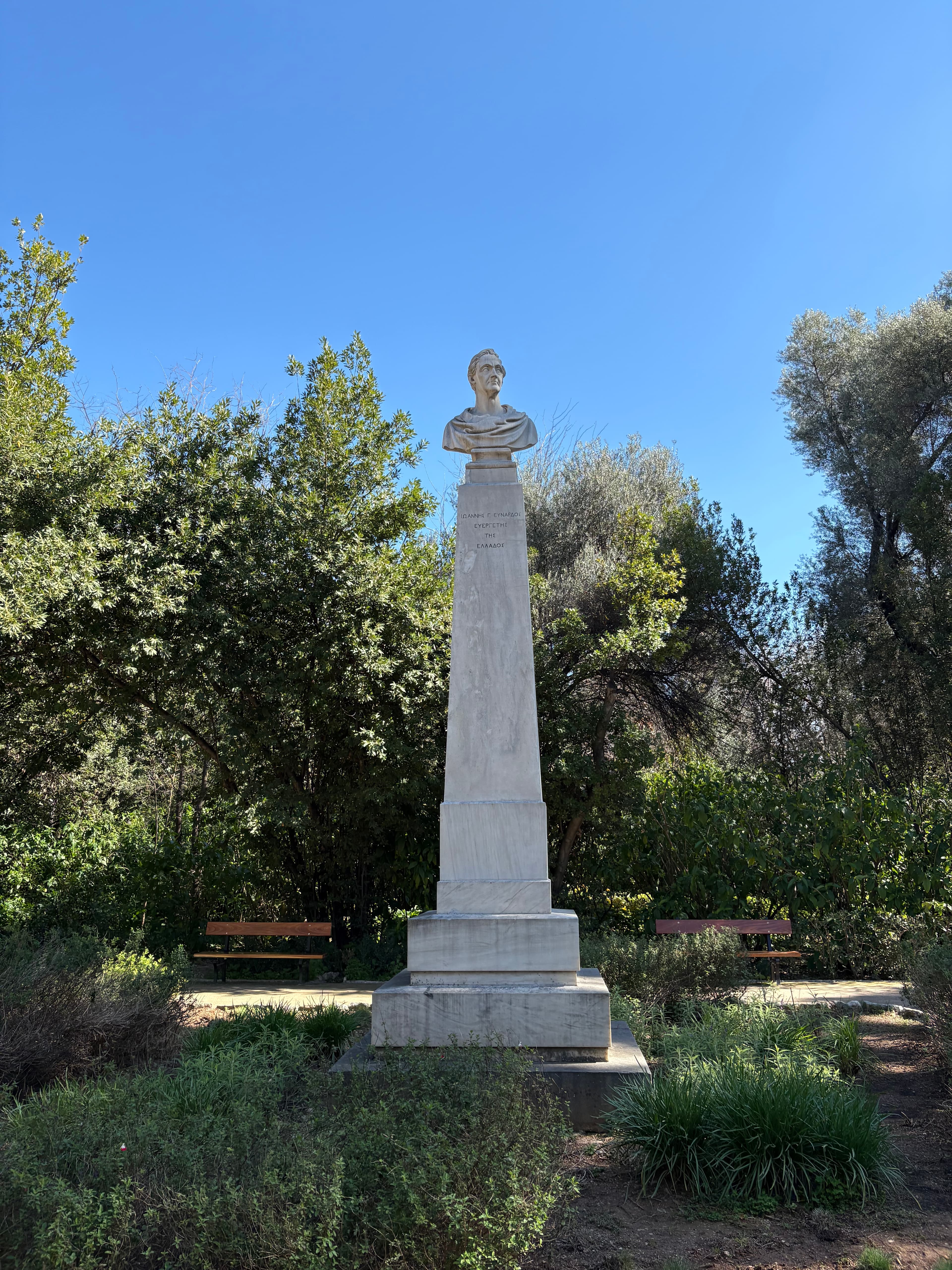
As I wandered further into the greenscape, my attention was caught by the imposing bust of the man pictured above. I had no idea who he was – I still do not – but he had to be quite important if his likeness was propped up in the midst of the Garden. This was undeniably the charm of an ancient city. Historical ruins, each carrying decades and centuries of storied lives, scattered among modern installations and trimmed nature. Each time I turned a corner, I found myself anticipating what awaited me. Also, I hoped unceasingly that I would stumble upon a nymph.
What really struck me was how these spaces were being used as a third space by the people of Athens. There were spaces throughout the Garden that seemed to be popular spots for folks to hang out. These spaces ranged from the typical park bench, to marble slabs belonging to something much more ancient, and seating areas reminiscent of an ancient Forum. Perhaps in another life, I would have indulged my Socratic proclivities and launched a tirade about the state of the world.
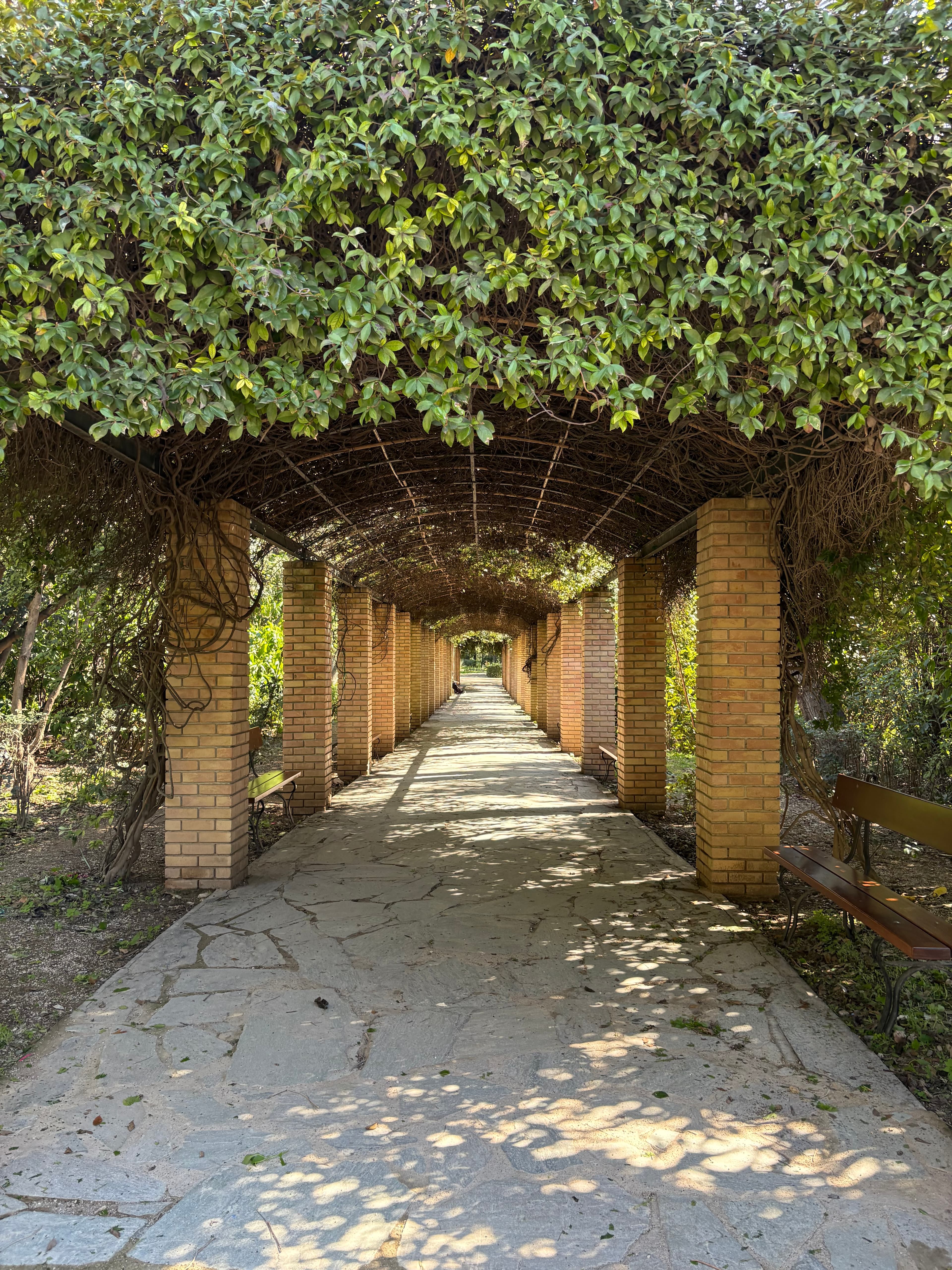
Despite the fact that the Garden was being used by multitudes of people daily, it still managed to remain remarkably clean and well-kept. Perhaps this evinces the pride of the Athenians – we preserve the things we cherish, after all. And thank Zeus for that, because as I walked through the Garden, I continued to be impressed by majestic sight after majestic sight.
Oh, also there was a little zoo enclosure filled with goats and geese and other animals. That was pretty neat.
The Parthenon
When one thinks of Athens, two images immediately come to mind. One is the Parthenon, and the other – arguably more popular – would be the image of the gladiator, Milo of Croton, carrying a calf around on his back until it grew into a 2000-pound bull, and then slaughtering it for the Olympic Games. No? Just me?
Before one gets to lay their eyes on the fabled Parthenon, they must make the trek up the Acropolis. I say “trek”, but really it’s more of a leisurely stroll up and stopping to lay one’s eyes on other ancient monuments along the way.
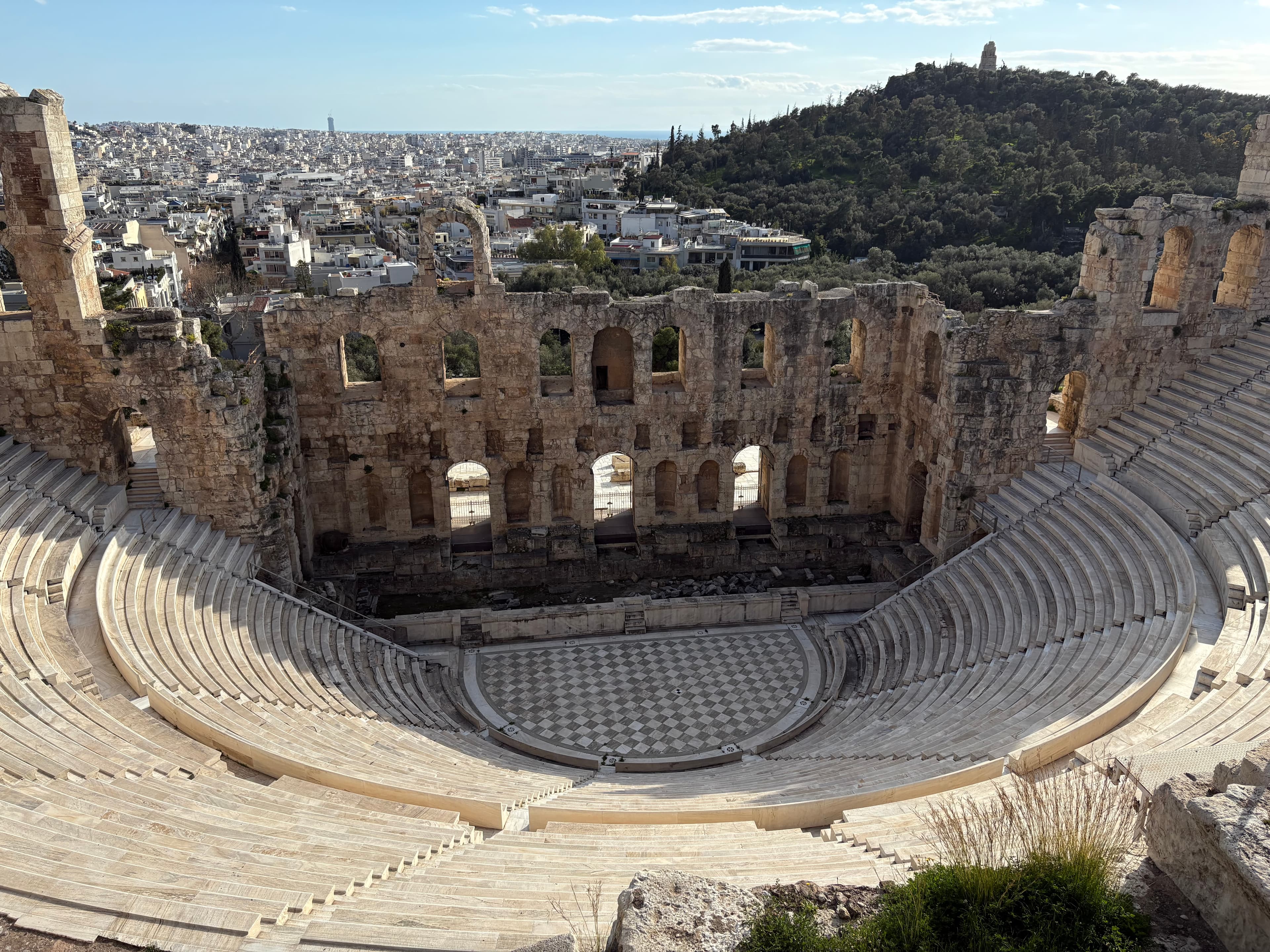
One of these monuments is the Odeon of Herodes Atticus. According to my extensive research, “It was built in AD 161 by orator Herodes Atticus in memory of his Roman wife, Aspasia Annia Regilla, and created as a gift to the city as a symbol of his generosity.” (Wikipedia). I don’t have much to say about it, but I shall do so nonetheless.
It was used as a Roman theatre back when it was built, and was more recently the main venue of the Athens Festival (before being closed off for restoration works). I can only imagine how breathtaking it would be to watch a play at the Athens Festival, as rays of sunset seep through the gaps and crevices of the structure. Maybe an equally magnificent play would do it justice, like Cats.
Trudging further up the Acropolis, toga around my waist and gold wreath on my head, I finally arrived at the Parthenon. Perched atop the Acropolis, it stood quite proudly and majestically. If you ignore the scaffolding. Owing to its age and fervent restoration efforts, a large part of the Parthenon’s interior was occupied by metal grates and platforms. Nonetheless, the angles which allowed for views of an “unadulterated” Parthenon proved to be magnificent.
Lingering around the Parthenon as the sun started to set, the whole city below was cast in an orange-gold hue. It truly was a remarkable sight, and I would have stayed longer if not for the staff of the Acropolis shooing us down from the hill because it was closing time.
Departure
As my journey in Athens drew to a close, I could confidently say that the city had not lost any of its charm. In fact, as I wandered through landmarks and linked them to myths I read growing up, the harder it became to keep my inner geek under control. My only complaint was that I never managed to catch Plato at any of the Coffee Islands around the city. Maybe I visited the wrong ones?
On a serious note, Athens shows that history does not need to be treated like a relic of the past. A city can embrace and respect historical sites, while incorporating them into the daily life of its citizens. After all, these were the places where civilisation-shaping ideas were born through the minds of the common man. Would closing off these places not be betraying the very purpose for their existence in the first place?